好きな科目(すきなかもく)
Sunday, February 13, 2011


Thursday, February 10, 2011
Song of the Month - February
今月の歌(こんげつ の うた)
鬼のパンツ (おに の ぱんつ) Oni no Pants
ドキンちゃん ばいきんまん


Dokin-chan Baikinman
These characters are from children's story from "Anpanman."
Anpanman (アンパンマン), written by Takashi Yanase, a Japanese writer of children's stories, is one of the most popular anime cartoon series for young children in Japan. (...Wikipedia)
Quiz
Do you know what are they (Dokin-chan and Baikinman) talking before the song, "Oni no Pants"?
Sunday, February 6, 2011
New Year's Resolution
Shinnen no Houfu

New Year's Resolution
Each student wrote his or her new year's resolution with a Japanese fude/calligraphy pen.

時々瞑想をして自分自身を清めます Stuart
がっこうの べんきょうを もっとがんばります Catherine
毎月一キロ体重を減らします Ashely
約束の時間を守ります Jordan
せいりせいとんを がんばります Zayd

エレキギターの練習を 頑張ります John
ぜんぶのきょうか を パスします Evelina
なまけないで まいにちべんきょうを がんばります Tiffany
にほんごのべんきょう を もっとがんばります Brandon


バランスのとれたしょくじ を します Brian

思いやりのある人になります Hali
体重を へらします Robyn
へいきん85ぱあせんといじょうの せいせきを とります Emma

Sunday, January 30, 2011
Kanji of the Month - February
今月の漢字 こんげつ の かんじ

おんよみ = がつ げつ
くんよみ = つきかきじゅん(the stroke order )


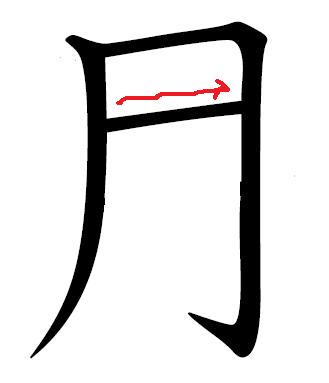

月(つき)moon, month
ニ月(にがつ)February
月曜日(げつようび)Monday
今月(こんげつ)this month
来月(らいげつ)next month
毎月(まいつき)every month
お正月(おしょうがつ)New Year's holiday
Word of the Month - February
今月の単語(こんげつのたんご)
残念(ざんねん) disappointing, regrettable
(れい)examples
くじびき(a draw): おめでとうございます。「あたり」です。ざんねんでした。「はずれ」です。
*あたり - winning はずれ - blank, losing
せんせい(teacher):あしたは「吹雪(ふぶき)」なので「学校(がっこう)」は「休み(やすみ)」です。
せいと(student):ざんねんです。
*ふぶき - snow storm がっこう - school やすみ - closure (of a school)
せいと:おなかがすきました。「おやつ 」を ください。
せんせい:ざんねんです。 おやつ は ありません。
*おやつ - refreshment, snack, between-meals
せんせい:「こんげつ の あいことば」は なんですか。
せいと: わかりません。
せんせい:ざんねんです。さようなら。
*こんげつ の あいことば - passwords for the month
せいと:「しゅくだい」 を わすれました。
せんせい:ざんねんです。
*しゅくだい - homework わすれました - forgot to do
せいと:「きょうかしょ 」を わすれました。
せんせい:ざんねんです。
*きょうかしょ - textbook
せいと:「げっしゃ」 を わすれました。
せんせい:ざんねんです。
*げっしゃ - a monthly tutorial fee
Passwords for the Month of February, 2011
今月の合言葉(二月)
こんげつ の あいことば(にがつ)

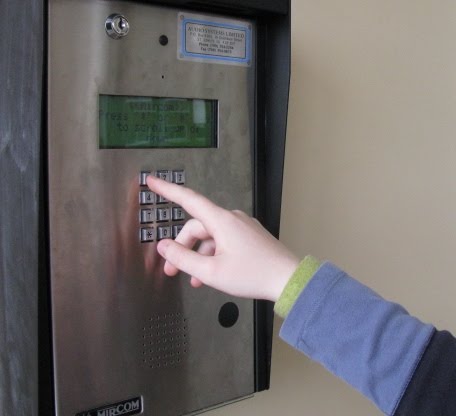
先生(せんせい) 生徒(せいと)
こんにちは。 こんにちは。xxxxxです。
あいことば は なんですか。 xxxxxxxx
こんにちは。 こんにちは。xxxxxです。
あいことば は なんですか。 xxxxxxxx
どうぞ。
You can choose your passwords between level 1 (the easiest) to level 3 (the hardest) from the phrases below.
Level 1. おに は そと。 ふく は うち。
Level 2. せつぶん です。 おに は そと。 ふく は うち。
Level 3. 2がつ3っか は せつぶん です。 おに は そと。ふく は うち。
On February 3rd, Setsubun (節分、せつぶん)will be celebrated throughout Japan (日本、にっぽん、 Nippon). Falling at the end of the period defined by the solar principal term Daikan (大寒 Severe Cold), Setsubun occurs one day before the sectional term Risshun (立春、りっしゅん、 Spring Begins).
Setsubun (節分)has been celebrated in many ways, but perhaps the most common custom found throughout Japan is the traditional Mame Maki (豆まき、まめまき)or the scattering/throwing of beans (mame 豆、まめ) to chase away the evil oni (鬼、おに ogres, evil spirits).
Friday, January 28, 2011
干し柿(ほしがき)- Dried Persimmon
Have you eaten かき(柿, kaki, persimmon)?
It is not a common fruit in Newfoundland. Persimmon is an orange coloured fruit and harvested in the autumn. There are varieties that come in two distinct categories; either astringent (渋柿、しぶがき shibugaki) or regular (甘柿、あまがき amagaki).


ほしがき (干し柿, hoshigaki, dried persimmons) is the most common way it is eaten in Japan. We remove the skin and hang them on a string outside.

My students enjoyed ほしがき from Japan. This ほしがき was grown at one of my Japanese friend’s field and she dried them.
Most of the students enjoyed eating ほしがき very much.
 ほしがき (hoshigaki)


One of my students said it is not a favourite taste for him, but he could eat it all.

It is not a common fruit in Newfoundland. Persimmon is an orange coloured fruit and harvested in the autumn. There are varieties that come in two distinct categories; either astringent (渋柿、しぶがき shibugaki) or regular (甘柿、あまがき amagaki).

あまがき (amagaki) しぶがき (shibugaki)
Shibui (astringent) +Kaki (persimmon) = Shibugaki
Amai (sweet) + Kaki (persimmon) = Amagaki
しぶがき that is not over-ripe cannot be eaten.
How do Japanese people eat しぶがき? ほしがき (干し柿, hoshigaki, dried persimmons) is the most common way it is eaten in Japan. We remove the skin and hang them on a string outside.

Most of the students enjoyed eating ほしがき very much.


One of my students said it is not a favourite taste for him, but he could eat it all.

Subscribe to:
Posts (Atom)